

Roofer FAQ · Technology
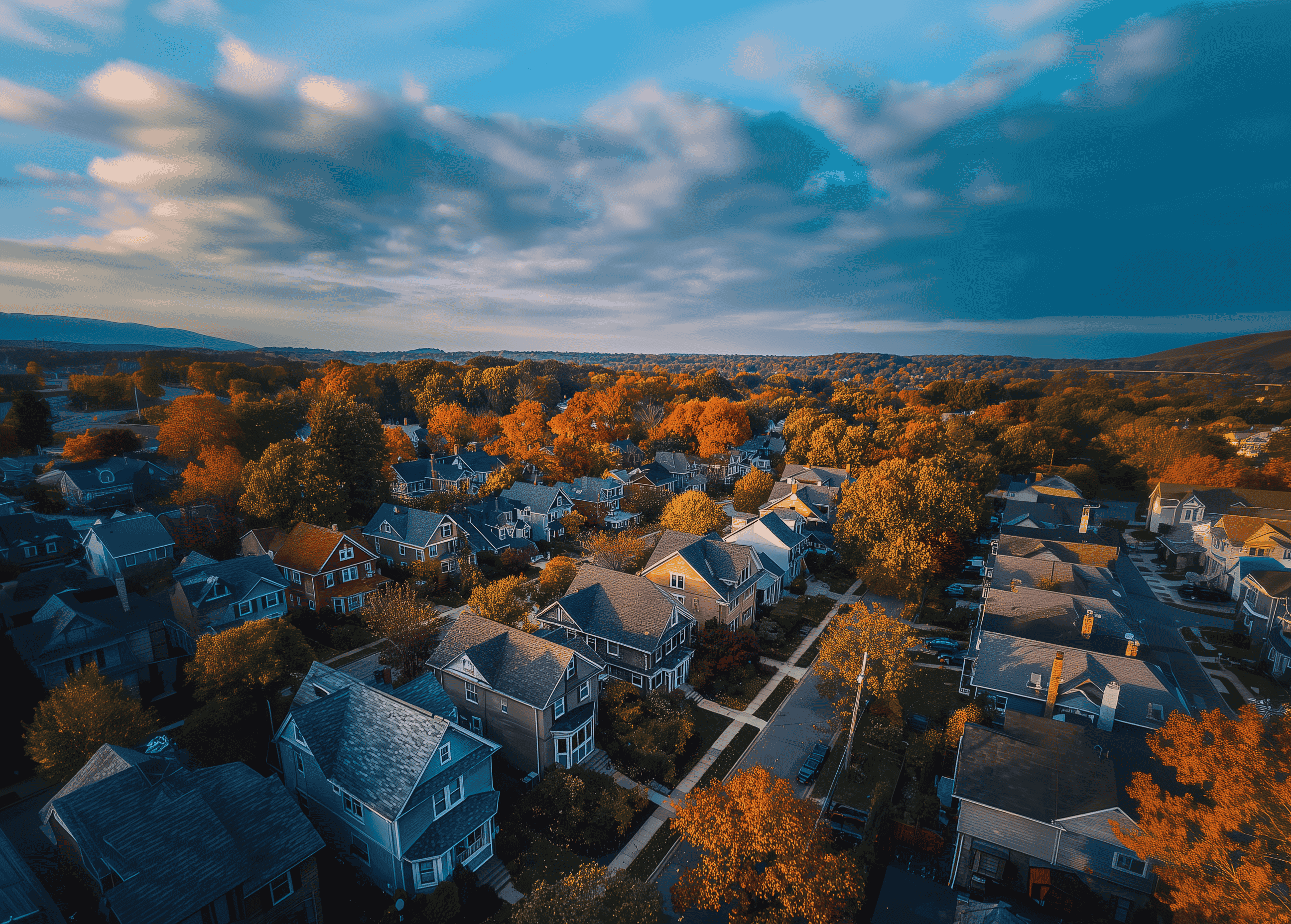
Aerial imagery earned its place in roofing as a measurement tool — reports, squares, waste calcs. The bigger shift is upstream: the same imagery, read by AI across a whole market, now tells you which homes need a roof before anyone knocks.
See what the imagery shows in my market
See the platform
No contract · No subscription · 500+ roofing contractors
THE SHORT ANSWER
Roofers use aerial imagery in two ways: for measurement (roof reports, area, pitch and waste calculations on a known job) and — increasingly — for demand discovery. Reworked.ai uses EagleView aircraft-mounted imagery at 1-inch-per-pixel resolution across 112M+ US roofs, detecting wear, streaking, ponding and missing shingles to identify which specific homes need work now.
1 in
imagery resolution — insurance-industry grade
112M+
US roofs scored
54+
data points per property record
0
ladders required to prequalify a street
From inspection tool to demand engine
Measurement was imagery's first act: pull a report on an address you already have. The demand play inverts it — scan every roof in the market first, and let condition decide which addresses are worth pursuing. That's the engine under Reworked.ai's platform: EagleView imagery scores the roof, 50+ homeowner signals score the owner, and only homes passing both filters become $1.79 opportunities.
It's the same shift the insurance industry already made — adjusters trust this imagery for claims; roofers can trust it for targeting.
Where the imagery flows through the platform
Retail Opportunities — condition scores decide who makes your list.
Storm Opportunities — pre-storm condition ranks post-storm claim potential.
HALO — every neighbor around a jobsite is verified before mail fires.
The postcard — touch two of the mail sequence shows homeowners their own roof from above, the creative that stops thumbs.
What AI can read from above
1
Wear patterns & streaking — granule loss and biological streaking that signal an aging surface.
2
Missing or displaced shingles — discrete damage visible at 1-inch-per-pixel resolution.
3
Ponding and drainage issues — water pooling that precedes leaks.
4
Age indicators — surface condition cross-referenced with construction-era data.
5
Roof geometry — area, facets and complexity, attached to every record for quoting later.
Frequently asked questions
KEEP READING